

Lawn mowing services in New Zealand play a vital role in maintaining the aesthetic appeal and health of residential and commercial outdoor spaces. With New Zealand’s diverse climate and thriving gardening culture, lawn care has become an essential service for homeowners, businesses, and public spaces alike. The lawn mowing industry is characterised by a range of providers, from independent contractors to well-established companies offering comprehensive lawn care and landscaping solutions. These services go beyond just cutting grass; they encompass health and safety compliance, environmentally friendly practices, and customised care adapted to regional preferences.
The process of lawn mowing may seem straightforward, but professional services bring expertise that ensures optimal lawn health and appearance. In cities like Auckland, Wellington, Hamilton, and Christchurch, lawn mowing practices show distinct differences shaped by local environmental conditions and customer expectations. For example, in Auckland, the focus is on mulching grass clippings to encourage nutrient-rich organic matter to return to the soil, aiding lawn health and reducing waste disposal costs. This reflects a growing environmental consciousness and preference for sustainable practices among Kiwis. Conversely, in Hamilton, many customers prefer clippings to be collected and removed, highlighting how companies adapt services to client desires.
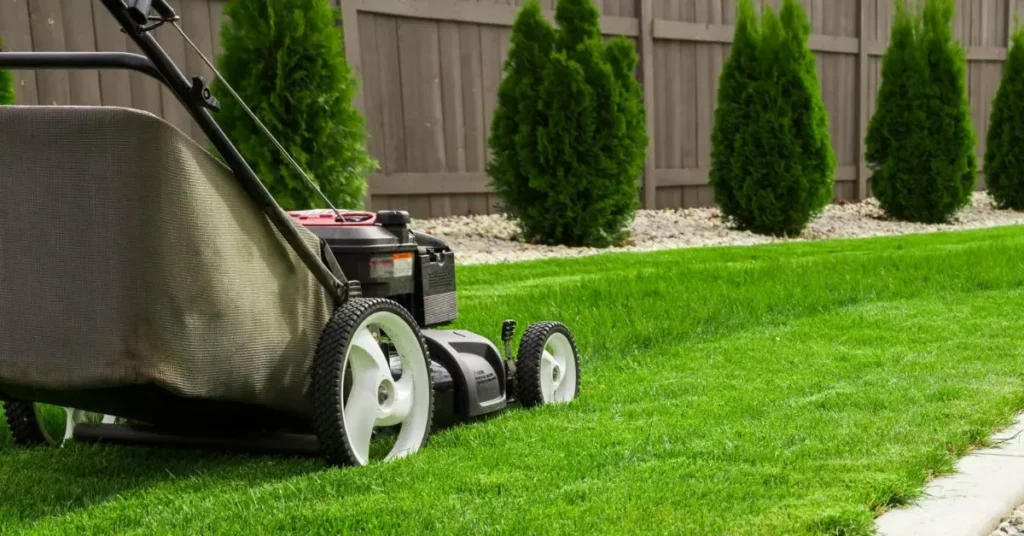
Operators in the New Zealand lawn mowing market employ a variety of equipment ranging from small walk-behind mowers for tight residential jobs to large zero-turn mowers and garden tractors for bigger properties or commercial spaces. The choice of equipment depends largely on the scale of the lawn and the specific requirements of the client. Battery-powered mowers are increasingly popular, especially in urban areas with environmental regulations and rising fuel costs. These electric mowers are quieter, emit no pollutants, and reduce operating expenses, aligning with New Zealand’s commitment to sustainability and clean air.
The business side of lawn mowing in NZ includes both start-ups and franchise opportunities. Franchises often appeal to entrepreneurs because they come with established brand recognition, support for marketing, and operational guidelines. However, starting an independent business allows for flexibility and personalized branding but requires a clear understanding of market dynamics and initial investments in equipment and insurance. The Health and Safety at Work Act 2015 places important obligations on lawn mowing businesses, ensuring that operators adhere to safe work practices to protect themselves, employees, clients, and the general public.
Seasonality plays a significant role in the demand for lawn mowing services. New Zealand’s lawn growing season typically peaks in the warmer months from September to April, meaning lawn mowing businesses must plan for periods of high activity followed by quieter winter months. Successful operators manage this fluctuation by diversifying services—for instance, by including weed control, fertilisation, garden maintenance, and landscaping. This diversification boosts business viability year-round and addresses broader client needs.

Health and safety compliance is a critical concern within the lawn mowing industry. The introduction of the Health and Safety at Work Act 2015 heightened awareness and obligations around safe operational practices. Lawn mowing businesses must ensure their equipment is maintained, operators are properly trained, and risks such as noise exposure, exposure to chemicals (fertilisers or pesticides), and potential accidents with machinery are meticulously managed. Larger contracts, such as those for schools, hospitals, or government facilities, often require contractors to meet stringent safety standards and participate in ongoing safety training.
Customer service remains paramount in New Zealand’s lawn mowing sector. Personalized service, reliability, and attention to detail differentiate successful businesses from competitors. Clients expect timely, regular lawn mowing with minimal disruption, so clear communication about schedules, weather contingency plans, and service availability is essential. Social media and digital marketing have become important tools for lawn mowing companies to reach local clients, respond to enquiries quickly, and showcase their work.
Innovations in lawn care technology are transforming the landscape of lawn mowing services in New Zealand. Robotic lawn mowers, for instance, are gaining traction as a convenient and efficient option, especially for smaller residential lawns. These robots reduce labour costs and operate on programmable schedules, allowing lawn mowing businesses to offer cutting-edge solutions. Moreover, software tools for scheduling, client management, and route optimisation help operators improve productivity and customer satisfaction.
Environmental stewardship is deeply embedded in New Zealand’s lawn mowing industry. Many lawn care businesses employ sustainable practices such as mulching, composting, and the careful application of organic fertilisers. With New Zealand’s distinctive flora and commitment to protecting its natural resources, lawn mowing services often complement wider garden and landscape care initiatives, protecting beneficial insects and promoting biodiversity. Clients increasingly seek providers who demonstrate environmental responsibility, which also helps businesses comply with regional council regulations.
The economic impact of the lawn mowing sector is notable, supporting thousands of jobs across New Zealand. From small sole traders managing local neighbourhoods to large-scale commercial operators serving businesses and councils, the industry contributes to vibrant community aesthetics and property values. Moreover, it ties into New Zealand’s outdoor lifestyle culture, where well-maintained lawns are central to socialising, recreational activities, and family life.


admin
It has survived not only five centuries, but also the leap into electronic typesetting unchanged. It was popularised in the sheets containing lorem ipsum is simply free text.