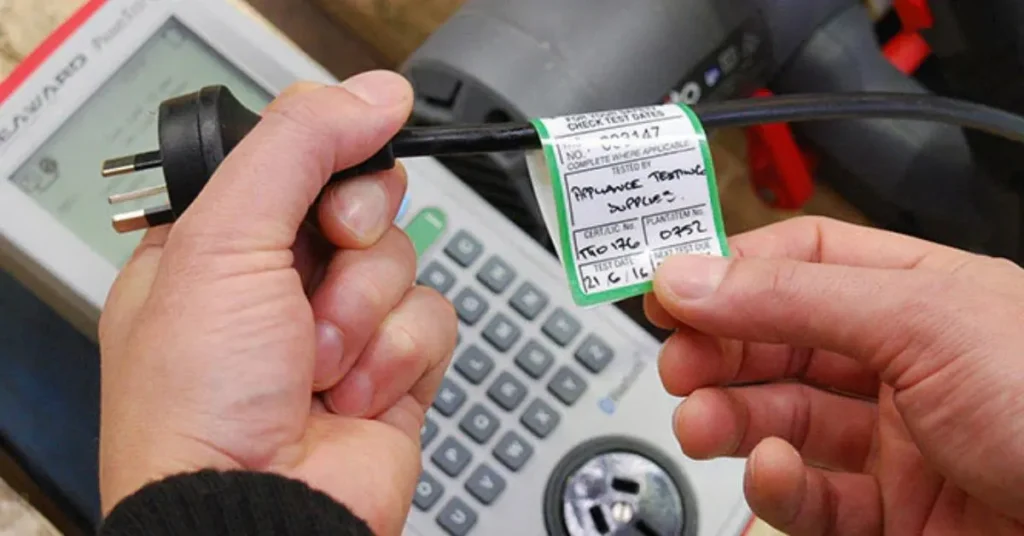
Test and tag services in New Zealand are a crucial safety practice designed to ensure electrical appliances and equipment are safe to use, preventing electrical accidents that could cause injuries, damage, or downtime. This practice involves visually inspecting electrical devices followed by electrical testing to check parameters such as earth continuity, insulation resistance, and polarity. While not legally mandatory across all sectors, test and tag services are strongly recommended and often required by regulations in high-risk industries, workplaces, and rental equipment sectors to promote safety and compliance.
The foundation of test and tag practices in New Zealand is built on the AS/NZS 3760 standard, which outlines comprehensive procedures and intervals for testing different types of electrical appliances. This standard prescribes the frequency of checks based on the environment in which equipment is used, recognising that harsher conditions require more frequent inspections. For example, construction sites, mining operations, and demolition environments—considered hostile due to wear and risk—typically mandate testing every three months to ensure continuous electrical safety. In less demanding environments like offices or schools, test and tag intervals can range from 12 months to even up to five years for server room equipment due to reduced risk exposure.
The test and tag procedure starts with a detailed visual inspection to identify any signs of damage, such as frayed cords, broken plugs, or exposed wiring. This visual step is critical for quickly spotting obvious hazards without the need for instrumentation. Following this, electrical tests are conducted using specialised equipment to measure key parameters that determine the safety and proper functioning of the device. If a piece of equipment fails any of these tests, it is taken out of service and either repaired or disposed of to prevent any unsafe use.
Businesses and organisations in New Zealand, even when not legally obligated, often choose to implement regular test and tag regimes as part of their health and safety management practices stipulated under the Health and Safety at Work Act 2015. This helps mitigate the risk of electrical incidents, enhances workplace safety, and demonstrates due diligence in protecting employees and visitors. Additionally, certain sectors, such as hire equipment providers, electricians, and contractors, must adhere strictly to testing schedules to comply with industry standards and client requirements.
One of the important aspects of test and tag services is the responsibility placed on the person conducting the business (PCBU) to ensure electrical appliances are safe. This includes conducting risk assessments to determine appropriate testing frequencies beyond the minimum standards, maintaining a register of tested equipment, and ensuring that trained, competent persons perform the inspections and electrical tests. Training and qualifications for testers are crucial, as proper equipment use and interpretation of results ensure reliable safety outcomes.

New Zealand companies providing test and tag services often offer additional compliance and consultation services, such as managing workplace electrical safety programs, asset registers, and maintenance schedules. These services help clients systematically reduce their electrical risks and maintain compliance with relevant legislation. Modern test and tag companies use advanced software systems for record-keeping and reporting, enabling real-time tracking of test dates, expiry, and compliance documentation.
The benefits of regular test and tag services extend beyond regulatory compliance. They significantly reduce the risk of costly electrical accidents, protect property and people, and contribute to business continuity by avoiding unplanned equipment failures. For rental equipment or items leased to other parties, testing before and after use is essential to ensure safety and liability coverage. Moreover, the practice improves insurance compliance, often lowering premiums and speeding up claims approval in case of incidents.
Despite the critical nature of testing and tagging, it is important to recognise that it offers a snapshot of safety at the time of testing. Equipment can be safe when tested, but still be susceptible to faults immediately after, which is why visual inspections and user awareness remain vital ongoing controls. Regular maintenance and training for end users complement test and tag efforts to create safer electrical environments.